Earth Day Land Clearing: How to Prep Lots While Protecting Soil Health
Earth Day in April is a good reminder that land clearing isn’t just about removing trees and brush. It’s about preparing a property the right way so your next step, whether it’s a new build, a gravel driveway, grading, or landscaping, doesn’t create avoidable drainage issues or soil loss. In Stockbridge and across South Metro Atlanta, clay-heavy soils and spring rain can turn a rushed clearing job into erosion, muddy runoff, and expensive rework.
At All Bobcat Services LLC, we provide land clearing, brush clearing, grading, and site prep across Stockbridge, Decatur, Jonesboro, McDonough, Ellenwood, Lovejoy, Hampton, Locust Grove, and surrounding areas. Our approach focuses on safe, efficient clearing while protecting the ground your project will rely on.
Why Soil Health Matters During Land Clearing
“Soil health” may sound like a gardening term, but it’s also a construction and drainage issue. When topsoil gets scraped away or compacted, water doesn’t absorb evenly. That can lead to pooling, erosion channels, and poor conditions for sod installation or landscaping.
In April, the ground is often wetter than it looks. Clearing with a plan helps preserve usable topsoil, reduce tracking and compaction, and keep your lot stable through spring storms.
Do You Need A Permit To Clear Land In Georgia?
This is a common People Also Ask question, and the best answer is: it depends on your city, county, and the scope of clearing. Some areas require permits for significant tree removal, work near streams, grading changes, or land disturbance beyond a certain size. You may also need approvals if the property is part of a protected buffer, HOA, or development with specific rules.
Before you clear, it’s smart to:
- Check with your local city or county permitting office.
- Review HOA covenants if applicable.
- Confirm utility locates before any digging or grading.
A professional land clearing contractor can help you understand typical requirements for the area and plan the work to avoid delays, but final permit guidance should come from local authorities.
Smart Earth Day Clearing: Prep The Lot Without Wrecking The Ground
Land clearing can be done responsibly without slowing the project down. The key is minimizing unnecessary disturbance and keeping water and soil under control.
Here are practical steps that protect soil health while still delivering a clean, build-ready lot:
Clear only what you need: Preserve healthy trees where possible to reduce erosion and provide shade.
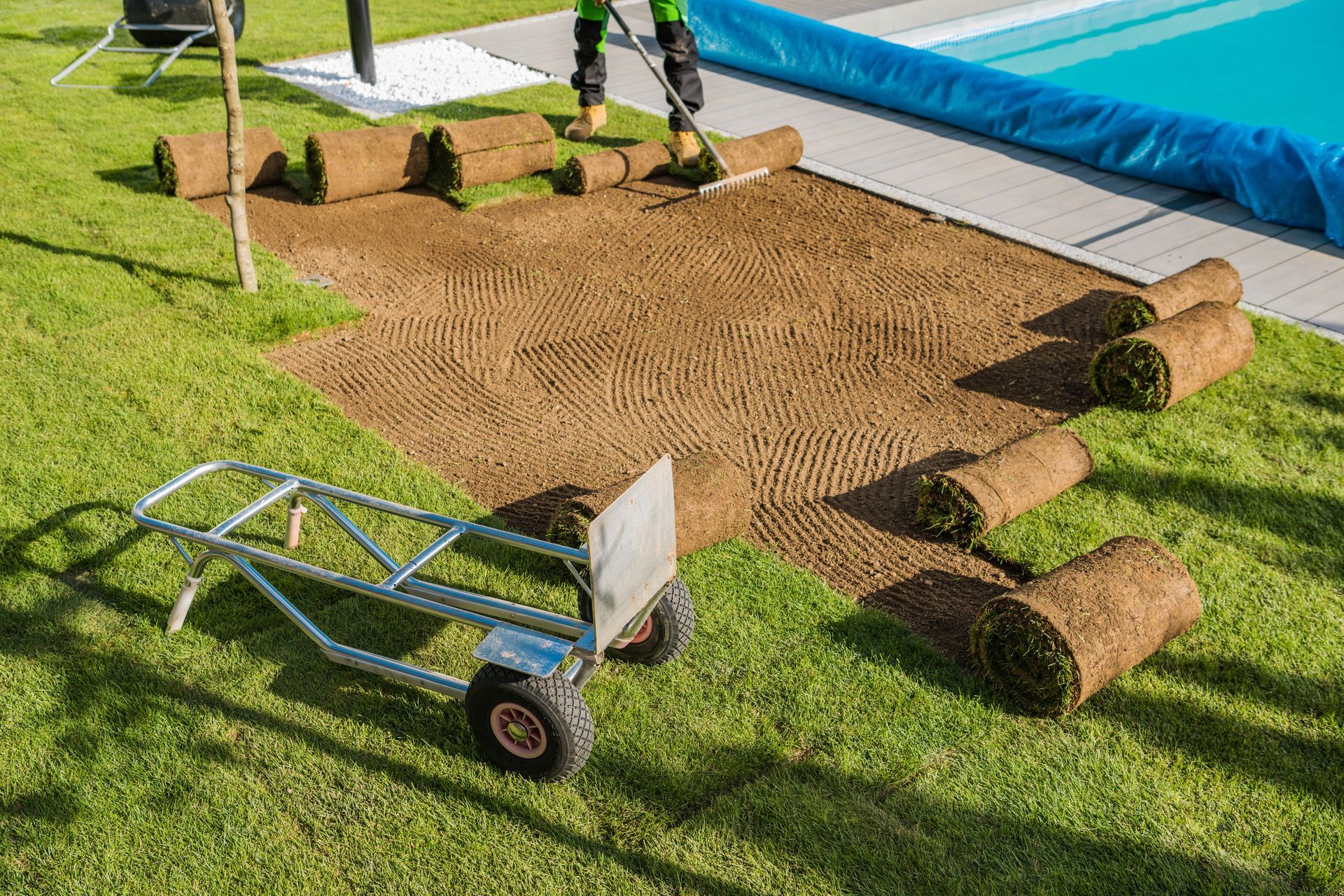
Strip and save topsoil: Stockpile quality topsoil separately so it can be reused for final grading, landscaping, or sod.
Avoid working in overly saturated areas: Wet soil compacts faster and can create ruts that become drainage problems later.
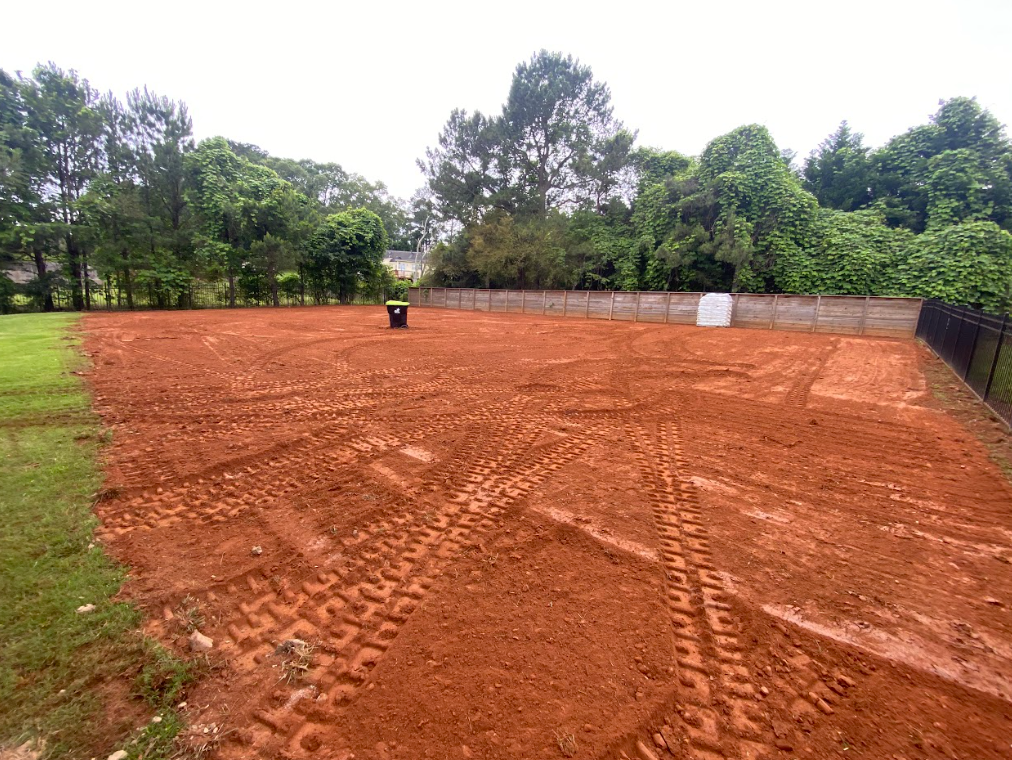
Plan equipment access routes: Keeping machines on a controlled path reduces compaction across the entire lot.
This approach is especially helpful on sloped properties in the Stockbridge and McDonough area, where runoff can move quickly during storms.
Erosion Control Basics For Spring Clearing Projects
In South Metro Atlanta, spring rain can wash exposed soil into ditches, driveways, and neighboring properties. Erosion control isn’t just good stewardship; it also protects your finished results.
Depending on the lot and project timeline, erosion control may include:
- Silt fencing or wattles along downhill edges.
- Temporary swales to direct runoff away from disturbed areas.
- Mulching or ground cover to protect exposed soil.
- Light grading to eliminate channels that concentrate water flow.
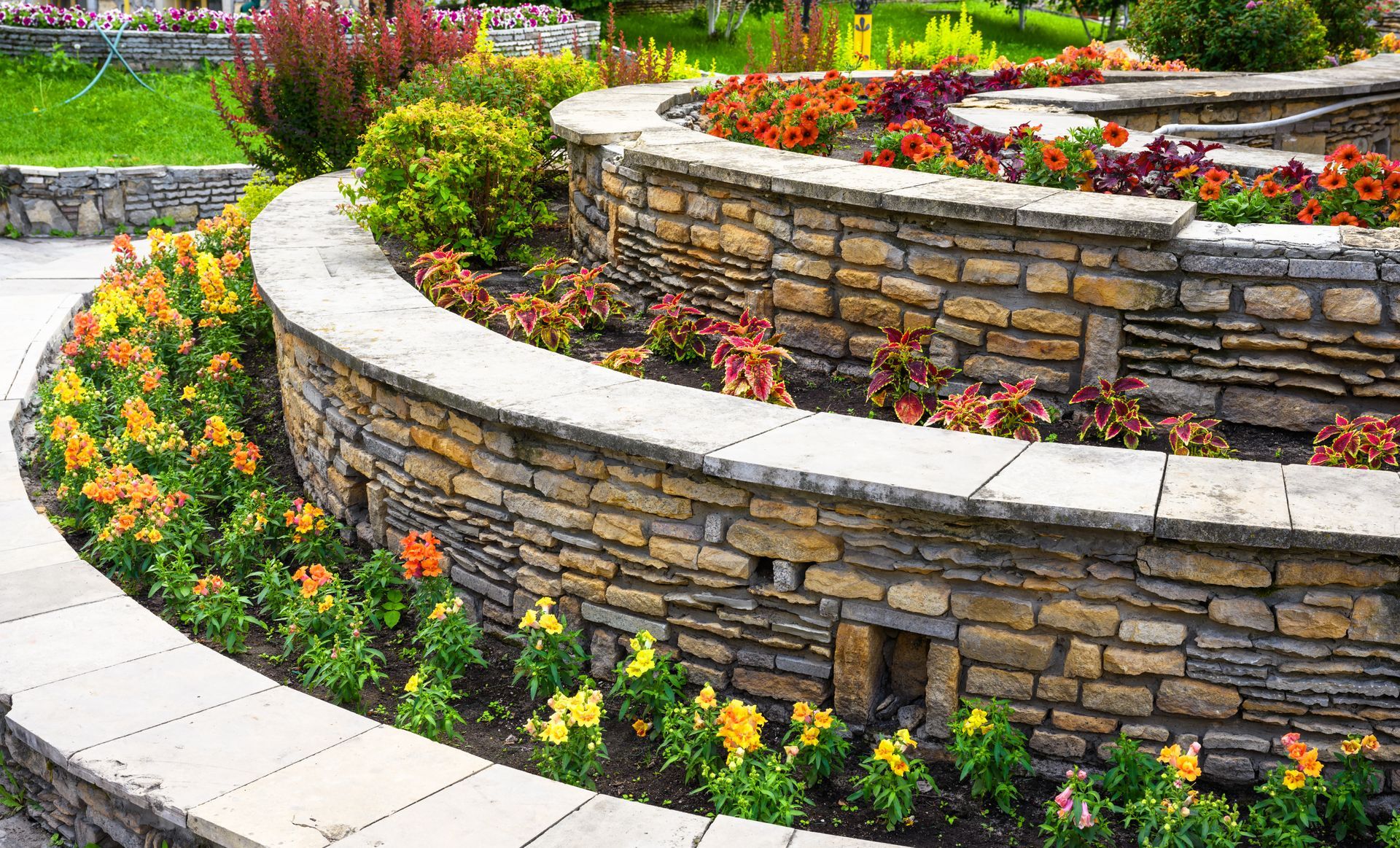
If you’re planning future work like a retaining wall, French drainage, or driveway installation, controlling erosion early helps those features perform better long-term.
Brush, Stumps, And Debris: What To Do After Clearing
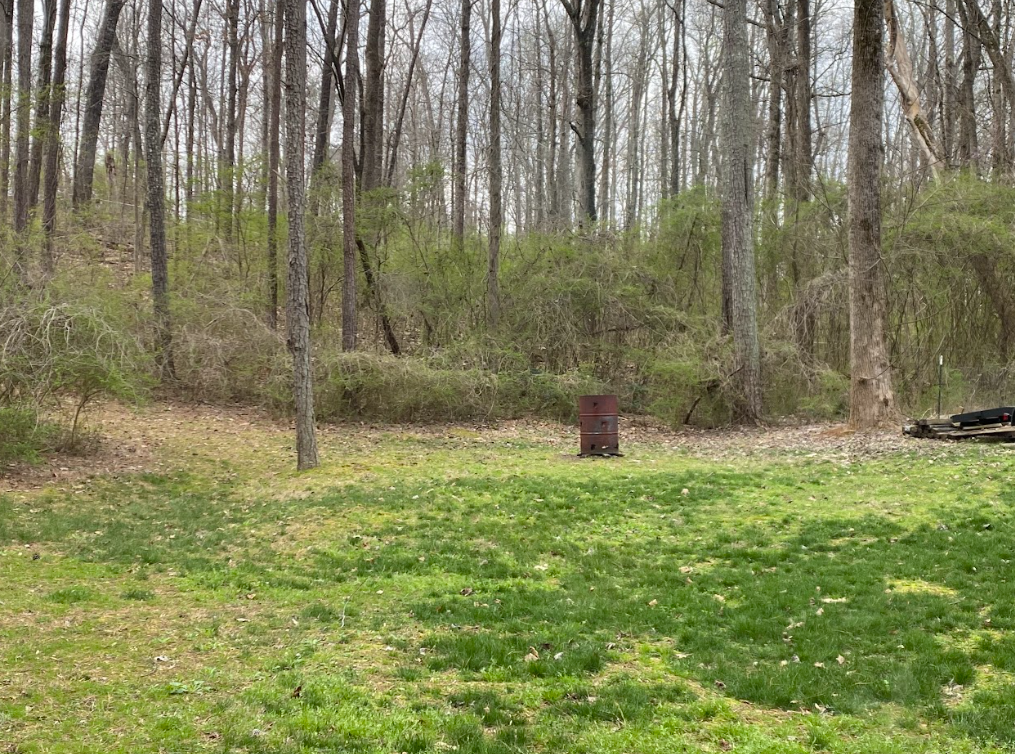
One of the most overlooked parts of land clearing is cleanup and disposal. Leaving piles behind can invite pests, create fire risk during dry periods, and stall the next phase of work.
After brush clearing and tree removal, common next steps include:
- Piling debris for hauling or approved disposal.
- Mulching on-site where appropriate.
- Stump removal or grinding, depending on the intended use.
- Rough grading to stabilize the surface and prepare for utilities, pads, or driveways.
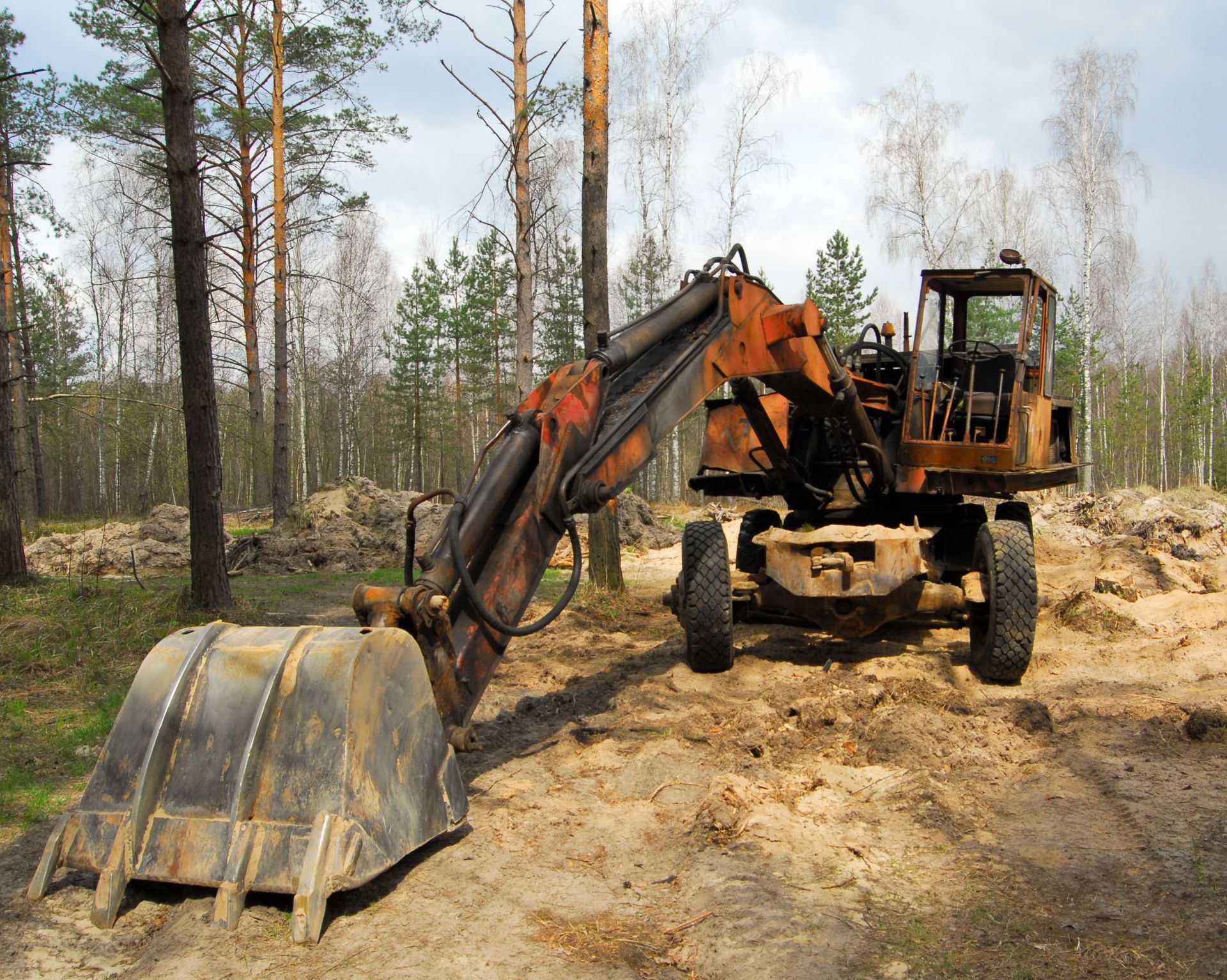
Using the right equipment, including Bobcat machinery for precise handling and grading, keeps the site cleaner and reduces damage to the remaining soil structure.
Plan Now, Build Better Later
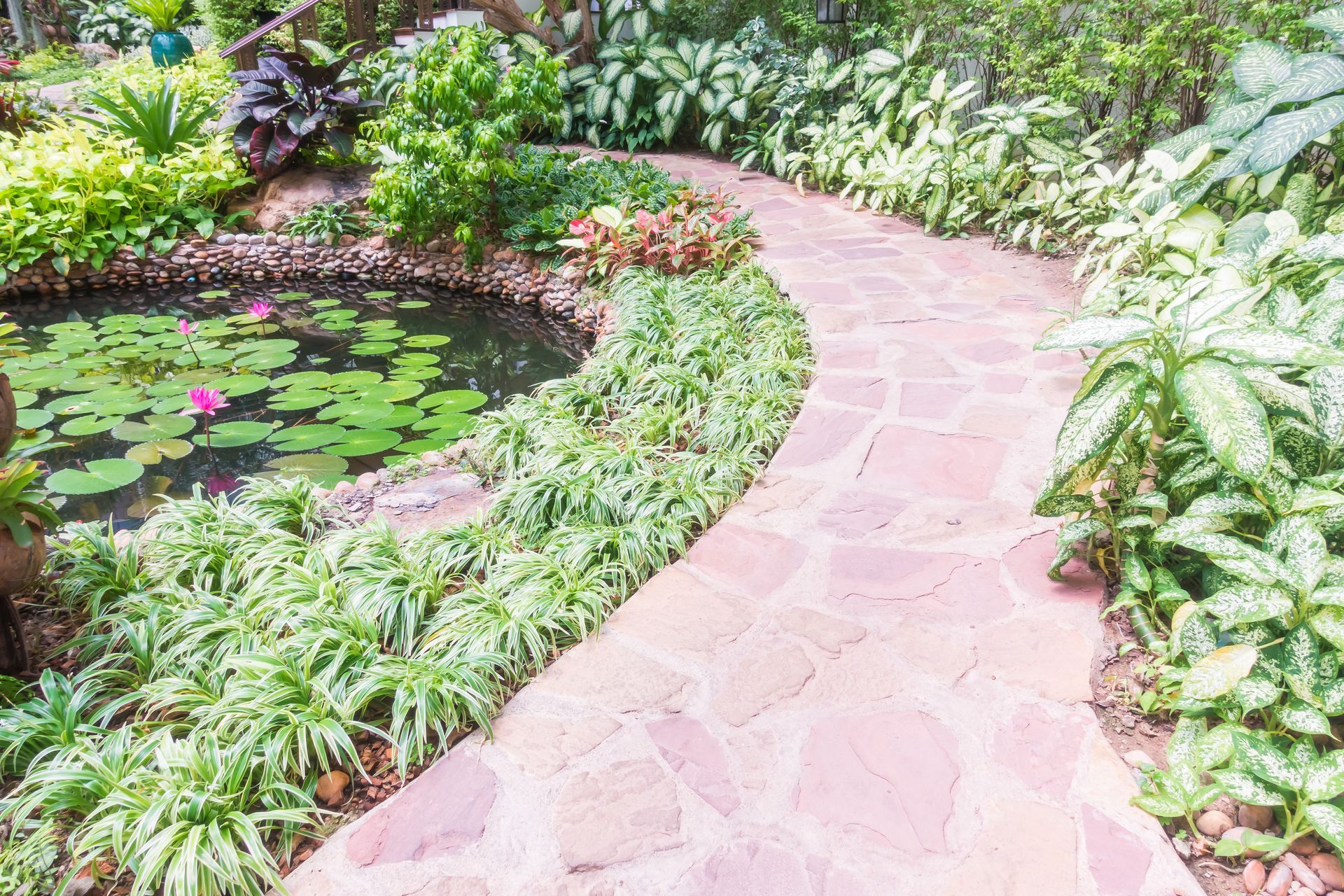
Earth Day is a great time to think beyond “clearing the lot” and focus on building a strong foundation for whatever comes next. When clearing is done with soil protection and drainage in mind, you get a site that’s easier to grade, easier to landscape, and less likely to develop erosion or standing water.
If you’re in Stockbridge, GA or nearby areas like Jonesboro, Ellenwood, Lovejoy, Hampton, or Locust Grove, contact All Bobcat Services LLC to schedule land clearing and site prep. Call today or request an estimate through our website, and let’s prepare your property efficiently while protecting the ground it’s built on.
Share This Blog