Fix Gravel Driveway Washouts Fast Before the Fall Ground Hardens Up
As the year winds down, the team at All Bobcat Services LLC gets an influx of calls regarding damaged property access routes. Dealing with deep ruts and washouts is a frustrating daily experience that puts unnecessary wear on your vehicle suspension. Ignoring these issues late in the year allows the surrounding earth to harden, locking those treacherous potholes into place for months. Property owners who put off this essential maintenance end up fighting a bumpy, muddy path every time they leave the house.
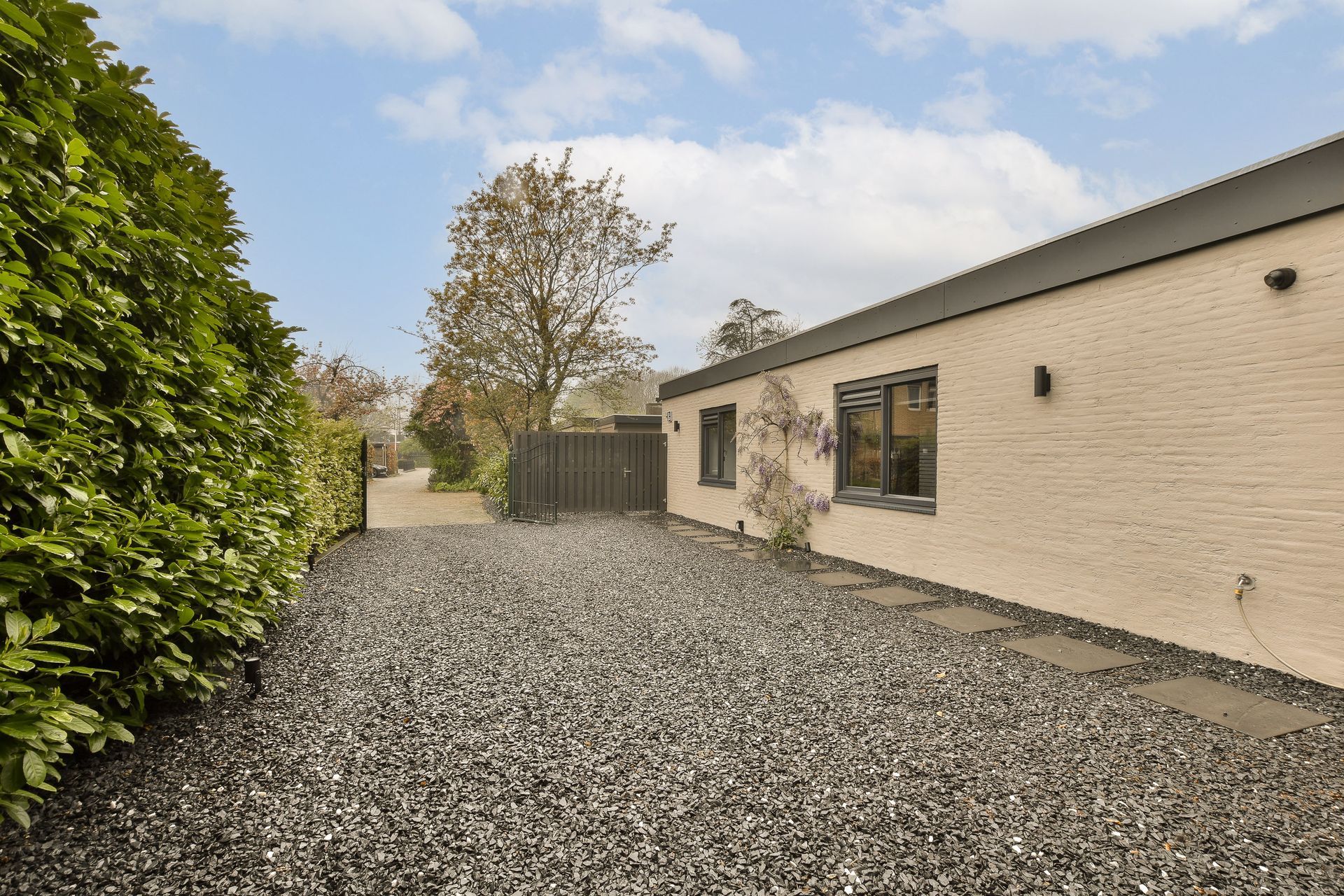
Fixing a rough gravel driveway requires heavy machinery and the correct aggregate materials to create a lasting surface. A properly graded approach ensures safe access for your family and prevents water from pooling directly where you park. Getting this heavy work knocked out quickly saves you from dealing with rock hard ruts all season long. Preparing your lot now also sets a great foundation if you plan on scheduling professional sinkhole filling or yard leveling down the road.
Inside This Guide
- Stage 1: Assess Your Driveway Damage
- Stage 2: Schedule Professional Grading
- Stage 3: Protect The New Surface
- Frequently Asked Questions
Stage 1: Assess Your Driveway Damage
Before bringing in heavy equipment, you need a clear picture of how badly the surface has deteriorated. Walking the length of your driveway in Lovejoy, GA helps identify exactly where the water is causing the most harm.
- Measure Pothole Depth: Note any holes deeper than three inches, as these require fresh structural gravel rather than just surface smoothing.
- Check Water Flow: Look for signs of water carving channels down the center or sides of the driveway, indicating a total lack of proper crowning.
- Identify Bare Spots: Spot areas where the gravel has completely washed away, leaving slick Georgia clay exposed to your tires.
Stage 2: Schedule Professional Grading
Once you know the extent of the damage, it is time to secure a spot on the schedule before local contractors book up completely. A professional crew brings the right machinery to rip up the old surface and establish a new base.
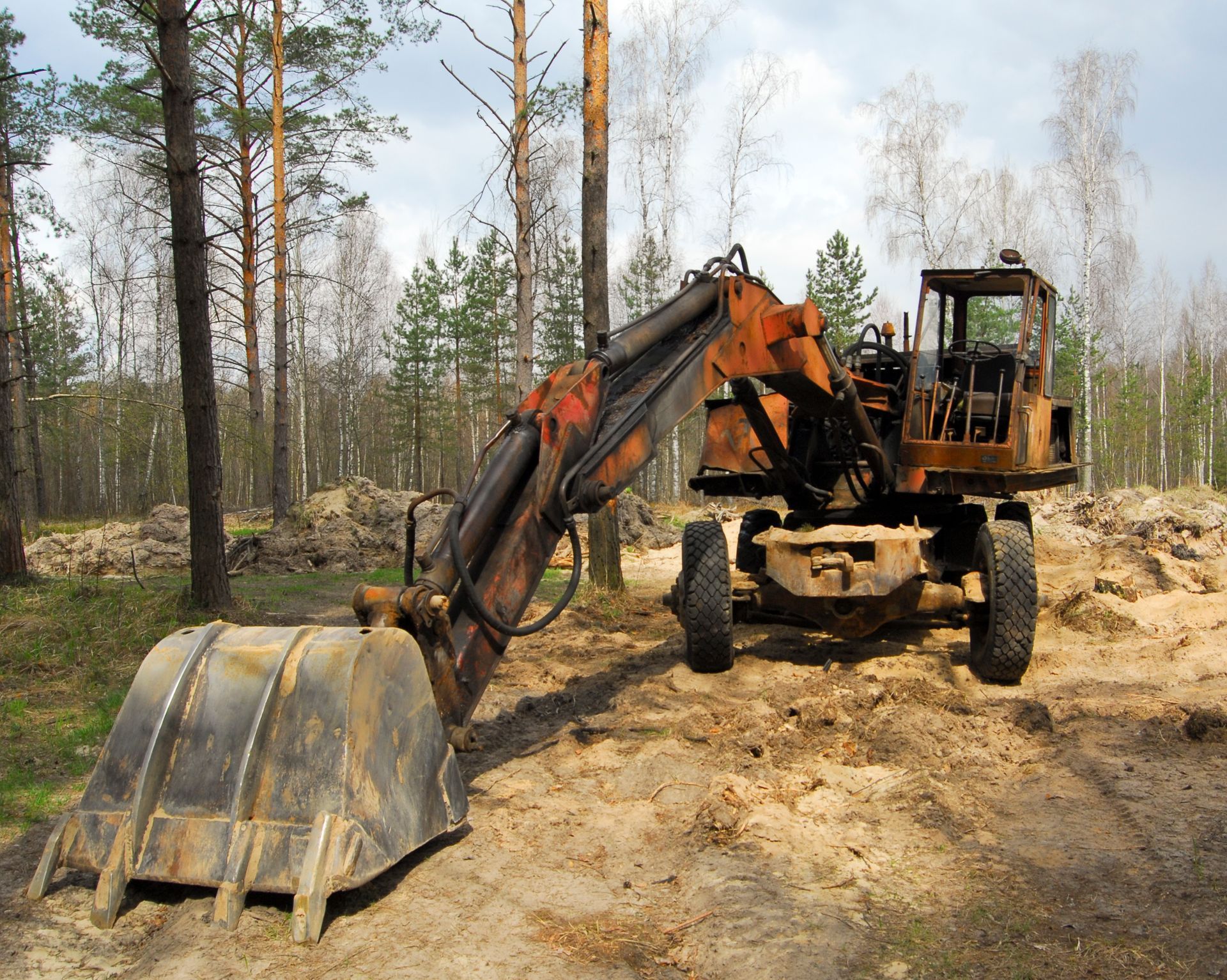
- Book Heavy Equipment: Ensure the contractor uses a Bobcat or similar skid steer to actually cut the grade rather than just dragging a lightweight rake behind a truck.
- Plan Material Delivery: Coordinate the delivery of fresh crushed stone to replenish the volume lost to seasonal washouts and settling.
- Secure The Timeline: Lock in your service dates immediately, as the window for optimal dirt work closes as the ground becomes dense and unworkable.
► Waiting until the ground fully hardens makes proper grading almost impossible without tearing up the underlying foundation, forcing you to endure a terrible ride until the following spring.
Stage 3: Protect The New Surface
After the heavy machinery leaves, the longevity of your newly graded driveway depends entirely on your daily driving habits. Treating the fresh surface with respect keeps the gravel locked in place.
- Maintain Slow Speeds: Keep your vehicle under ten miles per hour to prevent your tires from kicking fresh rock into the grass.
- Avoid Sharp Turns: Steer gently when pulling out of the driveway to avoid gouging deep pivot holes into the loose stone.
- Monitor Edge Runoff: Watch the sides of the driveway during the next rain to ensure water is shedding off the crown exactly as intended.
Frequently Asked Questions
How do you fix a washed out gravel driveway properly?
A true fix requires ripping down the existing surface past the depth of the deepest pothole to reset the foundation. Simply dumping new gravel into a rut guarantees the hole will return within a few weeks because the hard compacted edges of the original pothole are still there. Our heavy machinery cuts the entire driveway flat and reestablishes a center crown for proper water shedding.
What is the best gravel for steep driveways in heavy rain?
Steep inclines require crushed stone with jagged edges rather than smooth river rock. We typically recommend a heavy base layer of larger surge stone topped with crusher run, which contains stone dust that packs down like cement. This interlocking structure prevents the gravel from rolling down the hill when exposed to heavy water flow.
How often does a gravel driveway need to be graded?
Most high traffic rural driveways need professional grading at least once a year to maintain a smooth surface. Properties on steep hills or those dealing with heavy truck traffic might require a touch up every six months. Catching the ruts early keeps the required material volume low and speeds up the entire maintenance process.
Lock In Your Driveway Repairs Today
Taking action right now guarantees your vehicles will have a safe, level path to your home before the ground turns unforgiving. Setting up a professional grading appointment eliminates those daily suspension hits and restores your property access completely. Reach out to our crew today to get your gravel driveway fixed while the conditions are still right for heavy machinery.
Share This Blog