The True Cost of Improperly Filling an Old Swimming Pool on Your Property
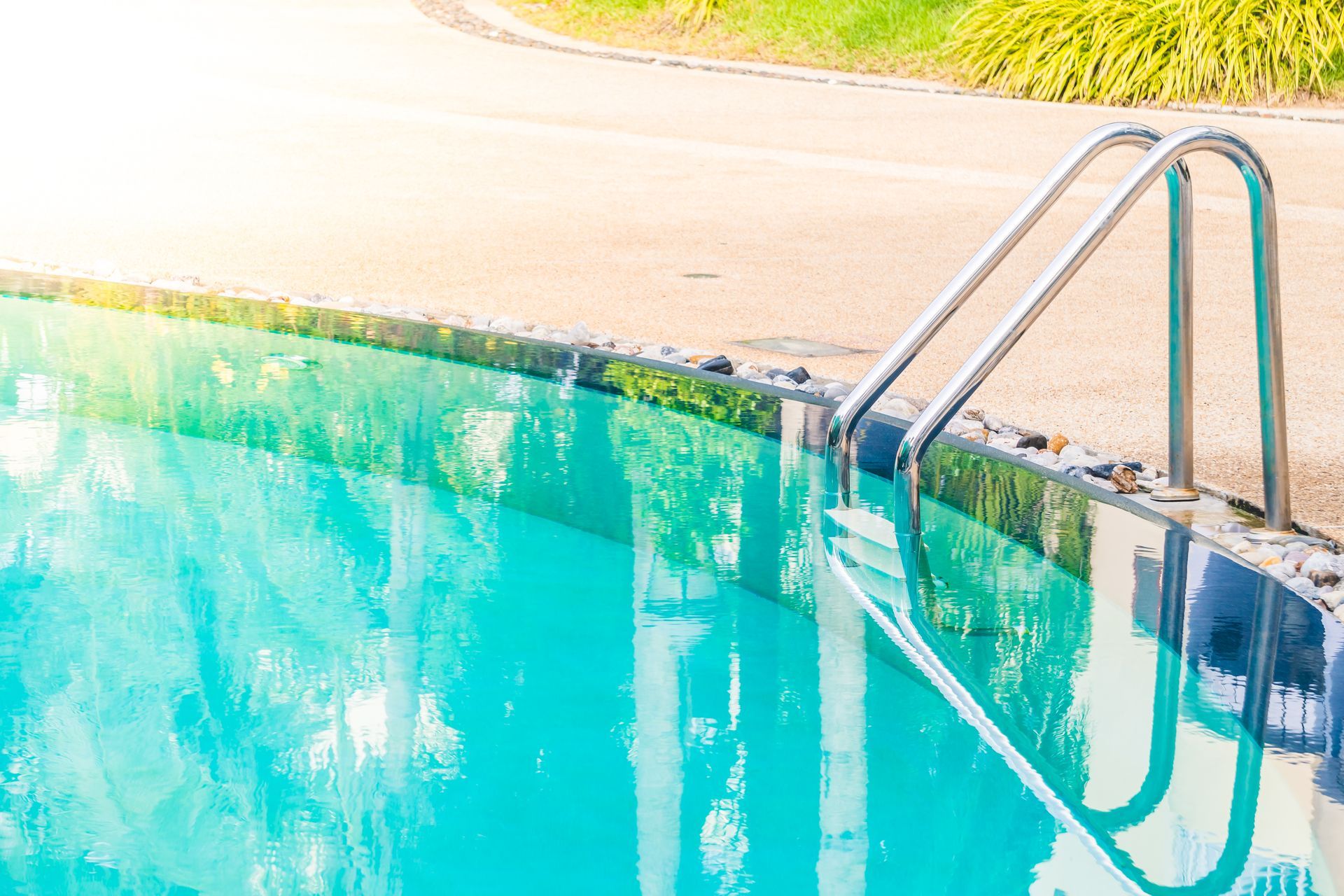
At All Bobcat Services LLC, we routinely inspect properties where an old pool removal went entirely wrong. Homeowners often view a neglected pool as a simple hole in the ground that just needs some cheap dirt thrown into it. However, improperly filling an old swimming pool creates massive hidden liabilities that can ruin your landscape. Without the right approach, that covered space will eventually cave in, turning a cosmetic fix into a dangerous structural failure.
Properly reclaiming that area requires heavy machinery, specific material layers, and strict compaction methods. Getting it done right means you can safely build a patio, install a gravel driveway, or just enjoy a flat lawn without fear of sudden sinkholes. For property owners in McDonough, GA, understanding the heavy civil requirements of this job is vital before hiring a contractor. We believe in setting honest expectations about what it takes to stabilize your land permanently.
What We Cover:
- The Reality Of Substandard Fill Jobs
- Why Dirt Alone Will Always Fail
- Achieving A Safely Compacted Yard
- Frequently Asked Questions
The Reality Of Substandard Fill Jobs
Many budget contractors promise a quick, cheap fix by simply knocking down the top edges of the pool and pushing loose soil into the deep end. The reality is that uncompacted fill material will settle drastically after the first heavy rain. Within a year, you will see a massive depression forming right in the middle of your yard as the air pockets slowly collapse. This settling process damages fences, shifts retaining walls, and creates a hazardous muddy pit that is completely unusable for any outdoor activities. Attempting to fix this later requires bringing heavy equipment back onto your property to start the entire job over from scratch.
→ From a professional standpoint: A cheap pool fill job is never actually cheap, because you will inevitably pay a qualified crew to dig it out and do it correctly.
Why Dirt Alone Will Always Fail
The most common underestimation property owners make is believing that topsoil is heavy enough to fill a deep void. Standard yard dirt holds moisture and shifts easily under pressure. When an old concrete or fiberglass shell is left intact beneath the surface, that trapped water turns the loose dirt into soup. Without a structural base of heavy stone and gravel, the earth simply cannot hold its own weight over a ten foot drop.
→ A quick tip to remember: Structural stability requires graduated layers of heavy rock and gravel before any topsoil is introduced.
Achieving A Safely Compacted Yard
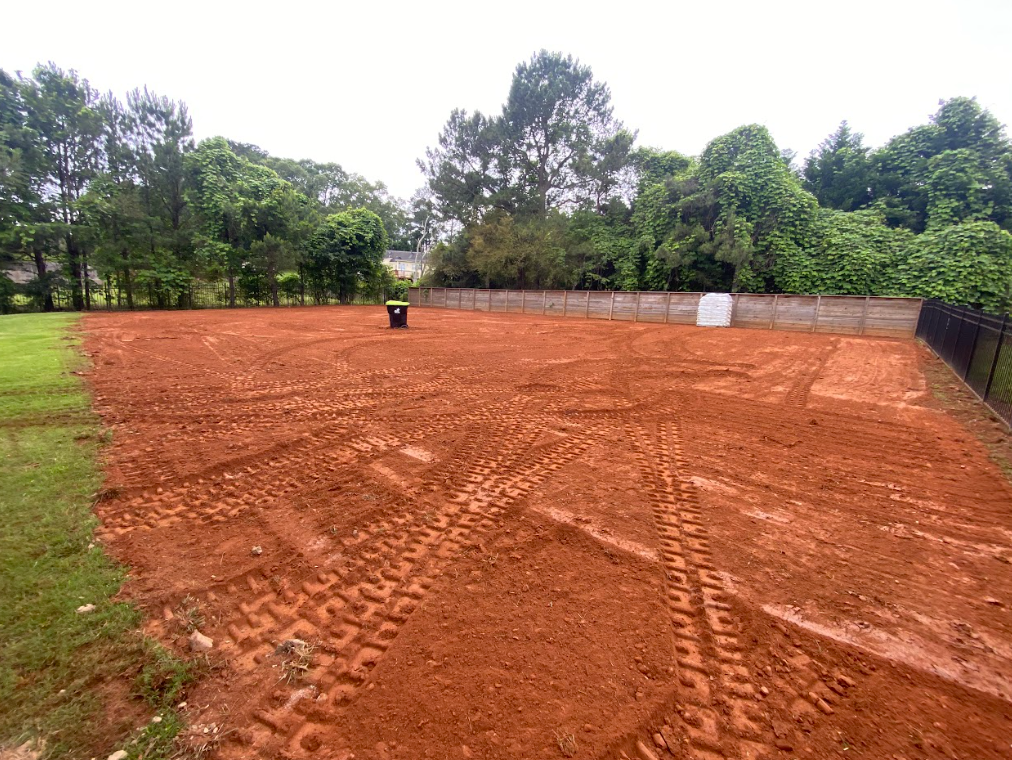
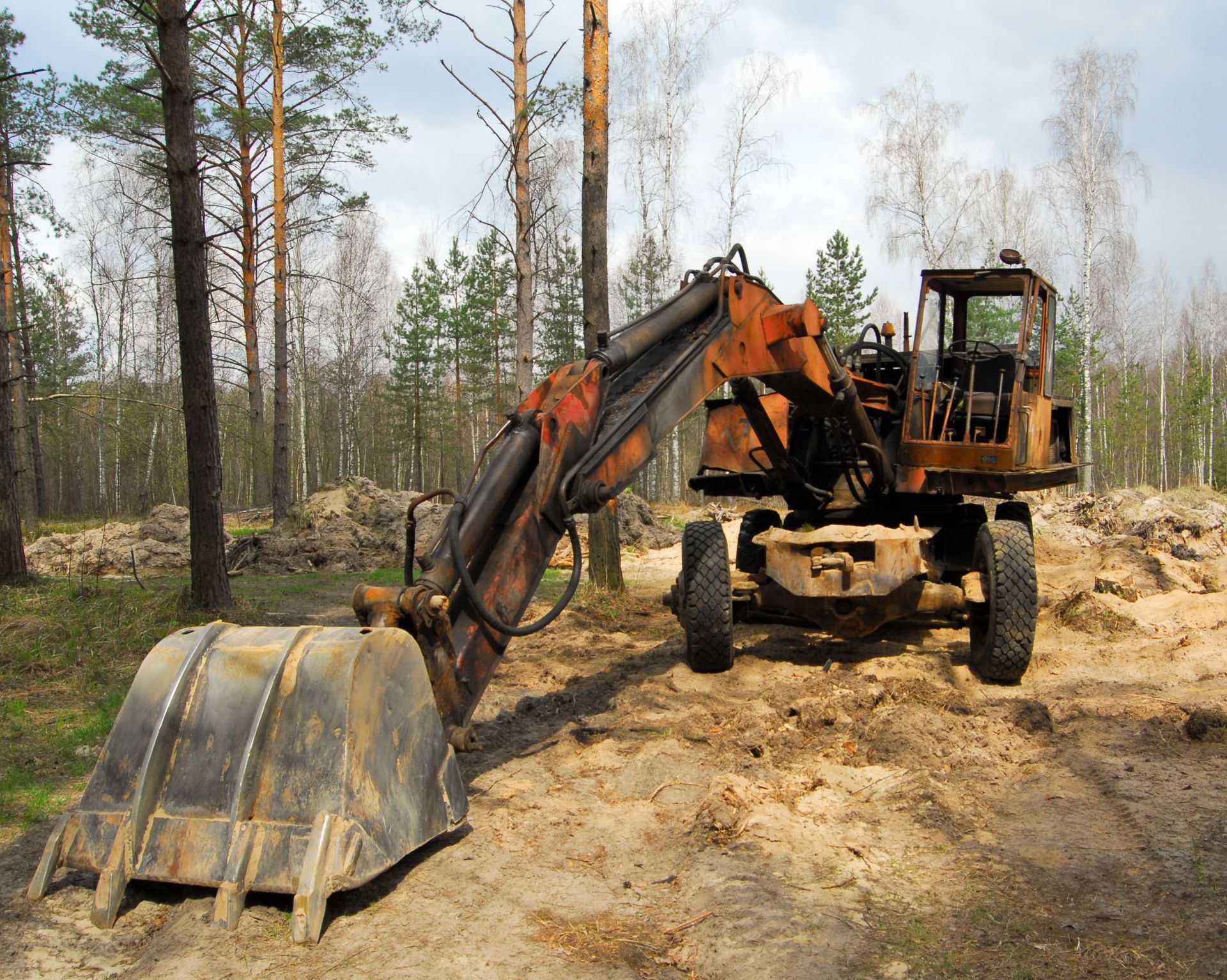
Real stability comes from breaking up the existing pool structure and building the new ground up in precise, compacted layers. Our heavy Bobcat machinery tamps down each layer of rock and soil as it is placed, forcing out air pockets that cause future settling. This deliberate pacing takes time, but the outcome is a perfectly level yard that will never cave in. We take the time to properly track and compact the dirt with our heavy equipment, mimicking years of natural earth settling in just a few days. You can confidently plant trees, lay sod, or park vehicles over the area knowing the ground is solidly engineered to withstand massive weight.
→ From a professional standpoint: Taking the time to compact every single foot of fill material is the only guaranteed way to prevent dangerous yard sinkholes.
Frequently Asked Questions
What kind of dirt is best for filling in an unwanted pool?
You never use standard topsoil to fill the deep sections of a pool. The bottom layers require structural fill dirt mixed with heavy gravel and stone to create a solid, draining base. Clean topsoil is only applied to the final top layer to support future grass growth.
Do you have to break the bottom of a pool before filling it?
Yes, you must completely shatter the bottom of the concrete or gunite shell before adding any fill material. If you leave the bottom intact, the pool will continue to hold groundwater like a massive underground bowl. Punching large holes through the deep end ensures natural drainage and prevents the yard above from turning into a swamp.
How much material does it take to fill a swimming pool?
A standard residential backyard pool can easily require over a hundred tons of fill material to pack tightly. This usually equates to dozens of dump truck loads of structural rock, gravel, and clean dirt. Trade experience shows that contractors who underestimate the cubic yardage will leave you with a sunken, dangerous yard.
Reclaim Your Usable Yard Space Safely
Dealing with a neglected pool requires a serious commitment to proper heavy machinery and safe materials. When the structural fill is handled by experts, you regain full use of your property without looking over your shoulder for sinkholes. Contact our team today to discuss a secure, permanent solution for your unwanted pool area.
Share This Blog