The Real Reason Concrete Driveways Crack During Their First Year
Pouring a brand new driveway represents a major investment in your property value and daily convenience. Nothing is more frustrating than watching that expensive new surface develop jagged cracks just a few months after the contractor leaves. At All Bobcat Services LLC, we know that the true strength of any paved surface relies entirely on what sits directly underneath it. A concrete slab is only as solid as the dirt it rests on.
Most homeowners focus on the thickness of the pour or the type of finish applied to the top. While those details matter, ignoring the earth below guarantees structural failure. Proper site excavation and compaction prevent the ground from shifting under the massive weight of parked vehicles and daily traffic.
Here is a look at what we will cover:
- The Danger Of Uncompacted Earth
- The Need For Concrete Site Preparation
- Addressing Water Runoff And Base Materials
- The Hidden Cost Of Skipping Proper Excavation
The Danger Of Uncompacted Earth
People are often shocked when their expensive paving fails and find themselves asking why their new concrete driveway cracked so soon. The root cause rarely has anything to do with the concrete mixture itself. The failure almost always stems from pouring heavy liquid rock over soft, uncompacted topsoil.
When a driveway is framed directly over untreated lawn dirt, that soil will eventually settle. Every time it rains, the loose earth underneath the slab compresses or washes out slightly. This leaves the heavy concrete suspended in the air with zero support beneath it. The moment a heavy truck or SUV drives over that hollow spot, the slab snaps under the pressure.
The Need For Concrete Site Preparation
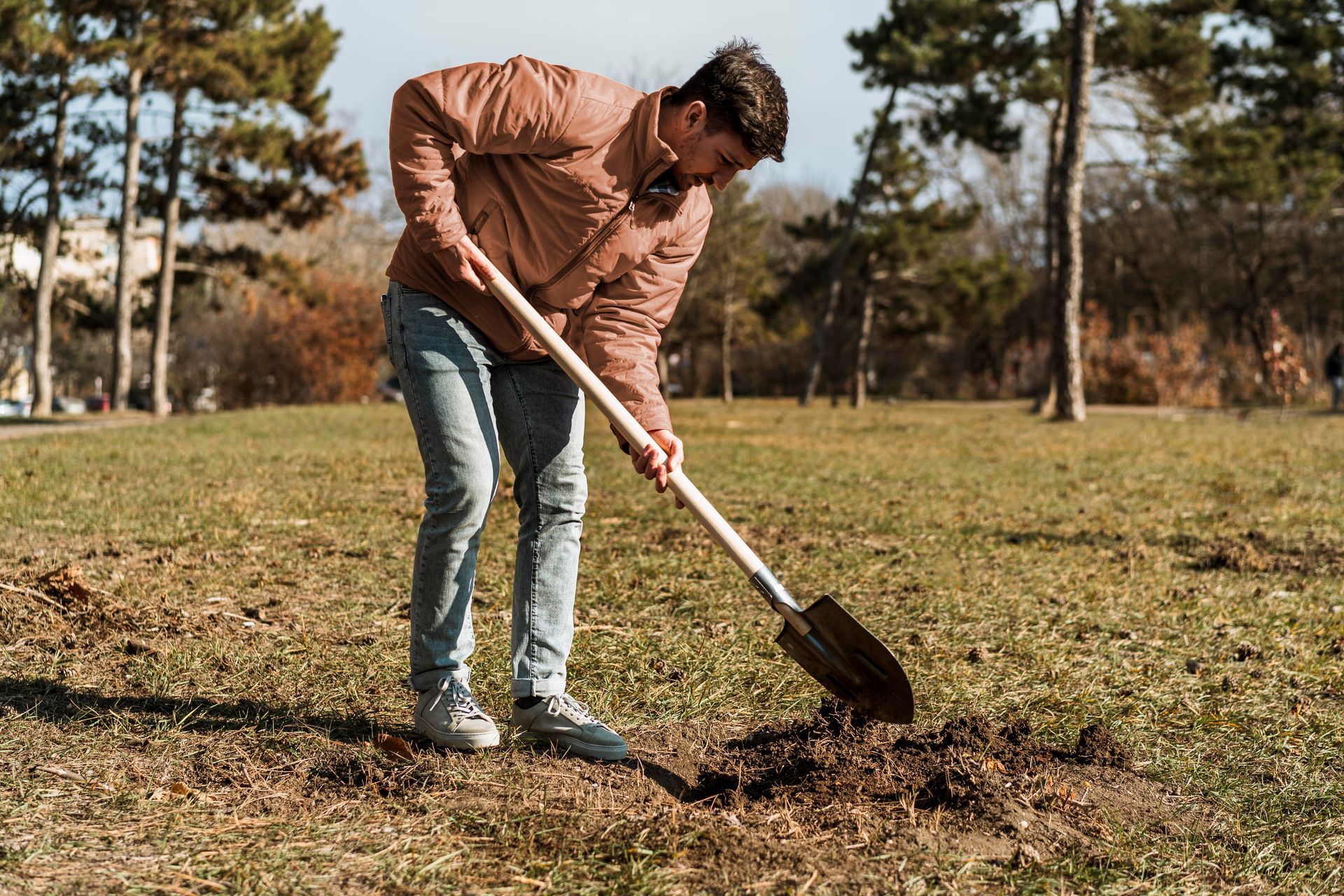
Creating a driveway that lasts requires aggressive groundwork before a single cement truck arrives. Professional concrete site preparation starts with using Bobcat equipment to dig out all the organic topsoil and root systems. Organic matter rots over time and creates dangerous voids under your driveway.
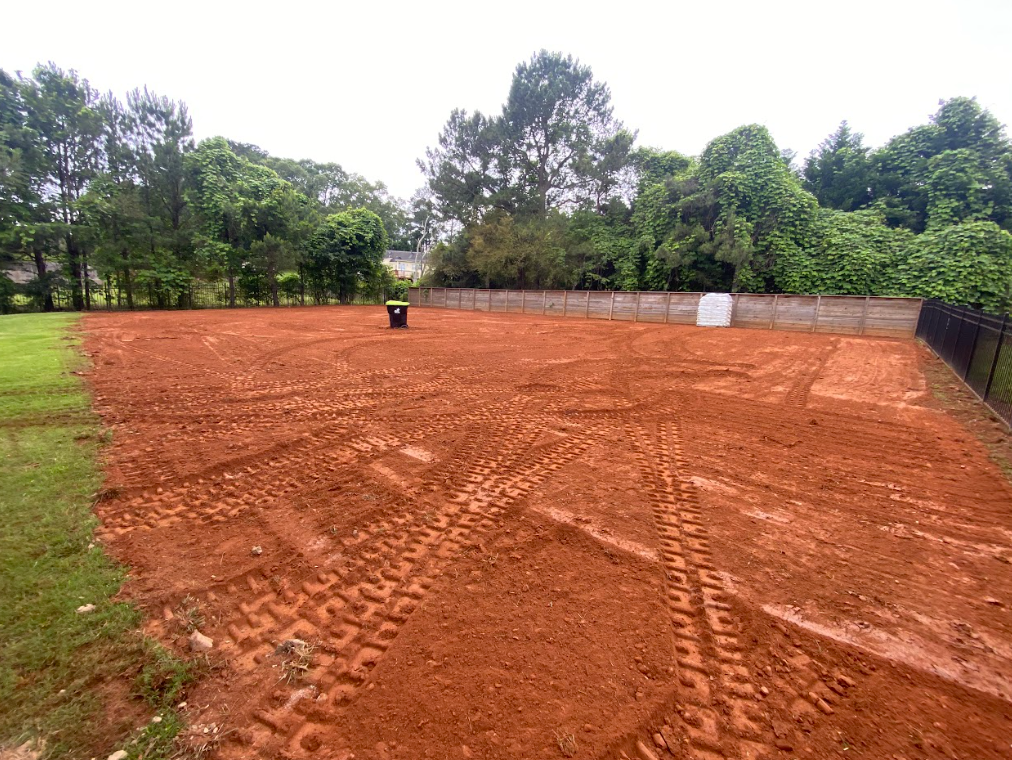
Once the soft dirt is completely removed, our operators grade the subsoil to create a perfectly flat and stable foundation. We use heavy machinery to tamp the earth down until it mimics years of natural settling. This rigid base layer ensures the ground will never shift once the heavy slab is poured on top of it.
Addressing Water Runoff And Base Materials
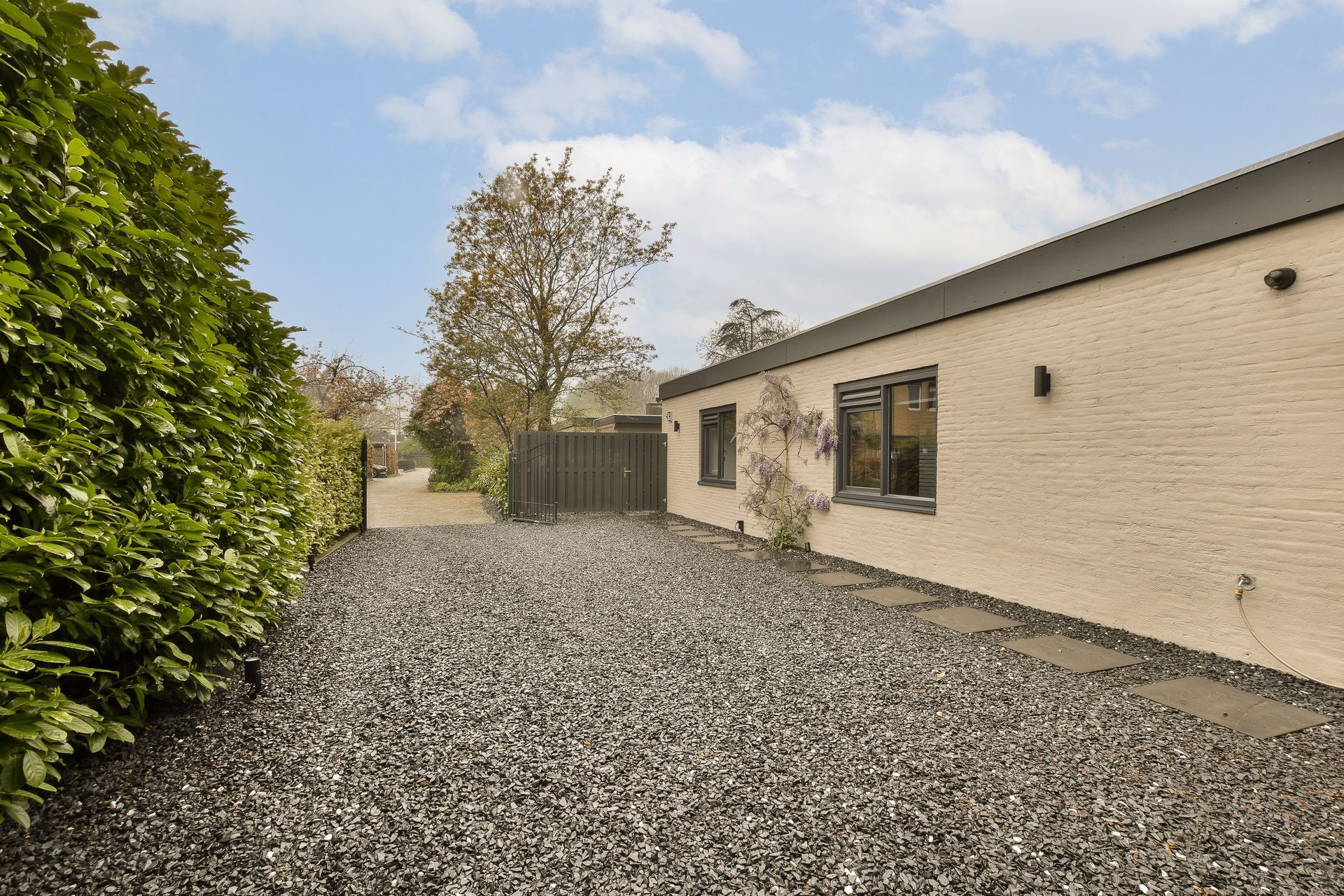
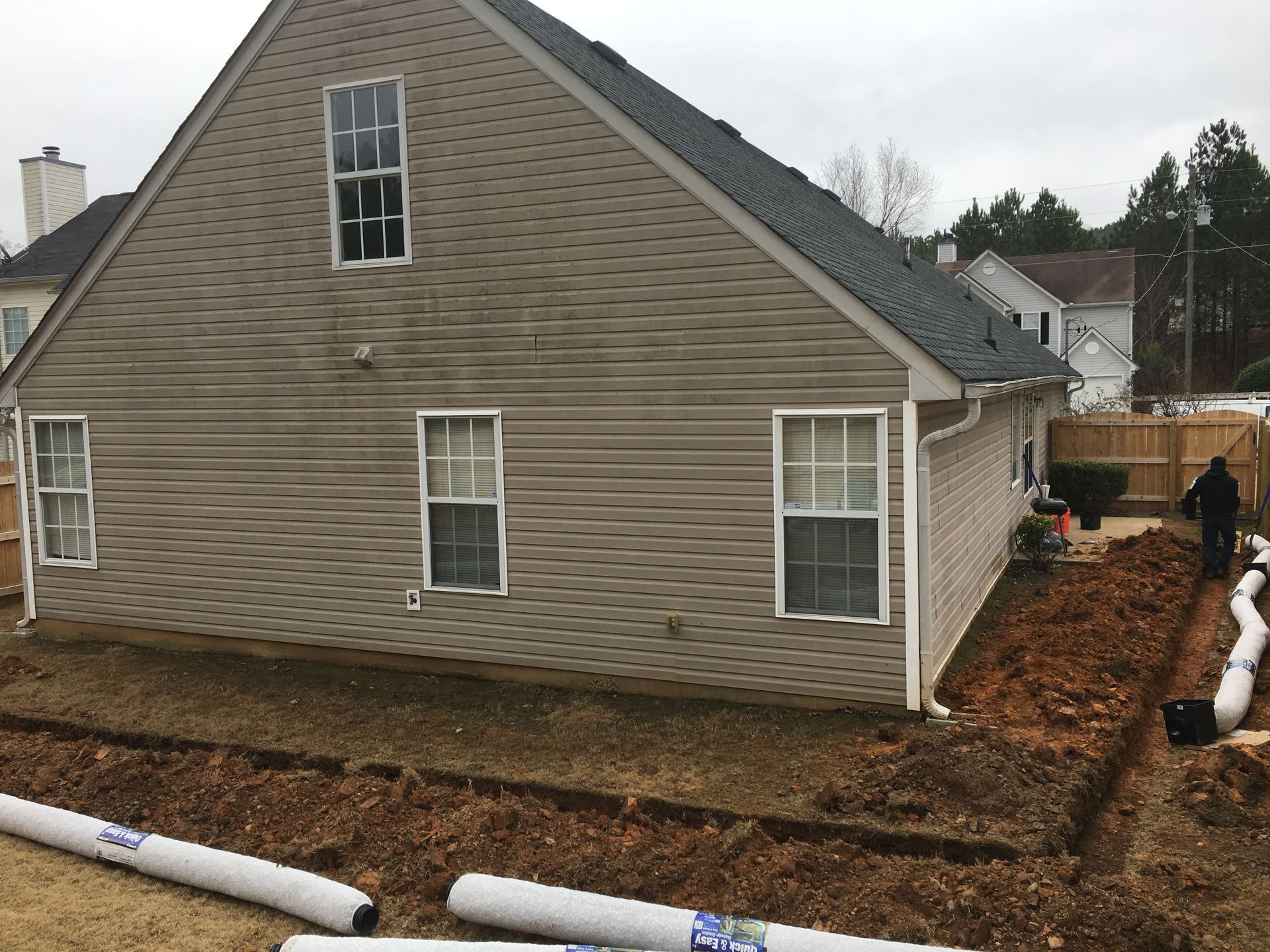
After the initial dirt is compacted, a proper driveway needs a thick layer of crushed stone or gravel to act as a buffer. This stone base distributes the weight of your vehicles evenly across the ground. It also provides a crucial path for groundwater to drain away from the slab.
If you live in Decatur, GA, you know how heavy local rainstorms can get. If water gets trapped under a concrete driveway with no gravel drainage base, it will eventually erode the soil and cause the slab to cave in. Proper grading during the excavation phase ensures that all water naturally flows away from your new driveway and your home foundation.
The Hidden Cost Of Skipping Proper Excavation
Many budget contractors offer lower prices by skipping the heavy excavation work entirely. They might scrape the grass off the top, lay down some wooden forms, and immediately start pouring. This shortcut saves them time on machinery and labor, but it passes a massive financial liability directly onto you.
When a new driveway cracks and sinks due to poor soil preparation, there is no quick repair. You cannot simply patch a structural crack. The only solution is to hire a crew to demolish the ruined concrete, haul it away, and start the entire excavation process from scratch. Investing in proper land clearing and dirt work upfront is the only way to protect your paving investment. If your property features uneven terrain, getting this heavy dirt work handled correctly also makes it much easier to build a secure concrete retaining wall later on.
Build A Driveway Base That Lasts
Your new concrete surface deserves a foundation strong enough to support decades of daily use. Bringing in professional machinery to handle the excavation and compaction is the smartest step you can take before paving. Reach out to our team today to get your site properly prepared and graded.
Share This Blog